

The Ultimate Vintage Car Photoshoot Guide for Photographers (2026 Edition)
PHOTOGRAPHER RESOURCES & GUIDES
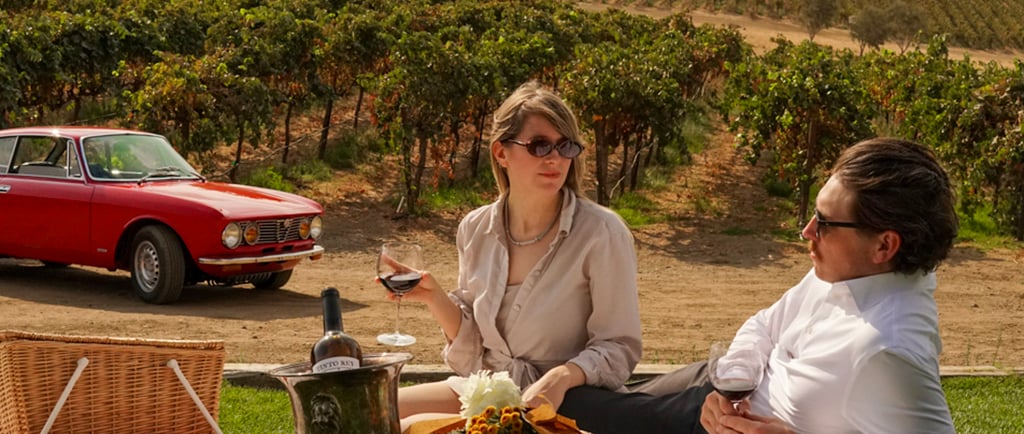
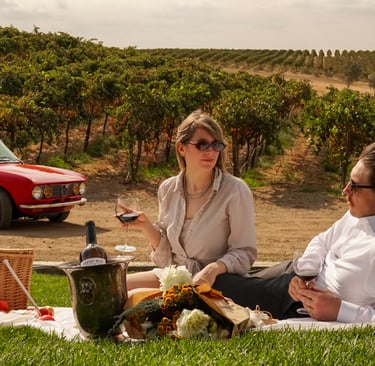
How to work with vintage cars, maximize your shoot time, and create iconic images.
Vintage cars aren’t just props — they’re visual storytelling tools. When used well, they add emotion, shape, movement, nostalgia, and depth to your imagery. But shooting with a classic car also requires a different kind of preparation, pacing, and creative approach.
This guide was created for photographers to help you plan, direct, and execute high-end photoshoots with the Sepia Motors fleet — whether for engagements, weddings, lifestyle content, editorial work, or brand campaigns.
We’ve outlined everything you need:
✔ How to plan the shoot
✔ How to stage the car
✔ Posing tips
✔ Cinematic shot lists
✔ What to avoid
✔ Logistics that make your life easier
Let’s make your next session iconic.
1. Before the Shoot — Planning & Communication
📅 A. Share Your Vision Ahead of Time
When you know you’re incorporating a car, send over:
A mood board
Preferred color palette
Location plans
The aesthetic you’re aiming for (romantic, rugged, editorial, playful, nostalgic)
Desired car angles (front ¾, profile, interior shots, detail shots)
This helps us stage and position the car for your lighting and composition.
🚗 B. Choose the Right Car for the Job
Each vehicle in the Sepia Motors fleet creates a different mood:
💍 1958 MG MGA Roadster: Romantic, elegant, soft, open-top — perfect for couples.
🇮🇹 1974 Alfa Romeo GTV: Cinematic, sculptural, editorial, European lines — perfect for fashion and stylish couples.
🇺🇸 1967 Toyota Land Cruiser FJ45: Rugged, textured, Americana storytelling — perfect for outdoor shoots.
🇮🇹 1974 Fiat 595SS Abarth: Playful, quirky, retro Italian charm — perfect for lifestyle portraits or creative campaigns.
If you’re unsure, we can match the car to your mood board.
📍 C. Scout the Location for Car-Friendly Angles
When scouting, look for:
Pull-in spots where the car can be angled for light
Clean backgrounds
Negative space for editorial compositions
Inclines where the car can sit slightly elevated
Roads wide enough for slow rolling shots
Classic and vintage cars photograph best with space to breathe.
🕒 D. Plan to Shoot the Car During Golden Hour
The cars always look their best in soft light — especially chrome.
We recommend:
Golden hour for romantic/editorial shoots
Evening blue hour for cinematic tones
Morning light for soft, natural looks
Avoid high noon unless shooting in full shade.
2. During the Shoot — How to Photograph Vintage Cars Beautifully
This is where the magic happens — and where technique matters.
📸 A. Must-Have Shots (Your Core Shot List)
1. The Hero ¾ Shot
Position the car at a 45° angle. This captures:
the car’s lines
both headlights
the front wheel
the curvature of the body
This is your “magazine cover” framing.
2. The Interior Moments
Have the couple:
sit inside together
reach across the seat
lean in forehead-to-forehead
adjust the mirror
place their hands on the steering wheel
This creates intimate storytelling.
3. The Walk-Up Sequence
The couple should walk toward the car while talking, laughing, or holding hands. This adds movement and transitions beautifully between locations.
4. Lean-In Shots
Use the doorframe or window frame to capture:
soft close-ups
candid smiles
editorial-style portraits
Chrome reflections add beautiful highlights.
5. Rolling Shots (Optional)
We move the car at walking speed while the couple stands near it or follows behind. These shots feel cinematic and natural. (We always provide a safety spotter during motion shots.)
📐 B. Best Angles for Each Car
MGA Roadster
Low front ¾ angle
Passenger-side profile with the top down
Slight rear angle to capture round fenders
Alfa Romeo GTV
Level eye-line ¾
Strong side profile to show the coupe roofline
Dramatic low angles
Toyota FJ45
Full front with wide stance
Rear ¾ for rugged appeal
Side profile with nature textures
Fiat 595SS Abarth
Full front for cartoon-like charm
Slightly elevated angle to emphasize compactness
Side shots with environment for playful context
🌬 C. Use the Car for Natural Movement
The car gives people something to do, reducing stiffness.
Prompts that always work:
“Walk toward the car like it’s your getaway.”
“Help her into the passenger seat.”
“Lean on the driver’s door and talk.”
“Pretend you’re adjusting the mirror.”
“Sit on the tailgate/hood (if approved) and laugh.”
Natural. Real. Photogenic.
💡 D. Details & Close-Ups (Photographers LOVE these)
Focus on:
Hands interlaced on the steering wheel
Rings against chrome
Bouquet on the passenger seat
Veil blowing across the dashboard
Shoes stepping into/out of the car
Keys in hand
Chrome reflections of the couple
These shots help create a full storytelling arc.
3. Styling & Wardrobe Recommendations
👗 A. Wardrobe that Photographs Best with Vintage Cars
Earth tones
Monochromatic outfits
Soft pastels
Silk, linen, wool
Minimalist patterns
Neutral footwear
Avoid neon or loud prints unless doing a retro editorial.
🌸 B. Props That Elevate the Experience
Champagne
Flowers
Vintage suitcases
Picnic setup
Leather gloves
Maps
Scarves
Sunglasses
These small touches make the scene feel lived-in and cinematic.
4. Logistics & On-Set Coordination
🏁 A. Sepia Motors Handles:
Car delivery
Staging
Safety checks
Positioning/light adjustments
Movement shots with our driver
Protecting vintage parts and finishes
Resetting the environment
Photographers can focus entirely on the creative.
🧼 B. What Photographers Should Avoid
To protect the cars and maintain consistency:
🚫 Sitting or standing on hoods or roofs (unless arranged & padded)
🚫 Leaning hard on doors
🚫 Drinks inside the car
🚫 Sharp objects near paint
🚫 Moving the car without the Sepia Motors driver
We keep it elegant and effortless without compromising safety.
5. Sample Shot Sequence for a 90-Minute Session
0–15 min: Warm-up
Walking shots
Approaching the car
Hand-in-hand portraits
15–35 min: Hero Shots
¾ angles
Full-body portraits
Romantic close-ups
35–55 min: Interior Moments
Seated poses
Candid conversation
Veil movement
Hand details
55–70 min: Movement & Rolling Shots
Slow-roll sequences
Flowing dress frames
Lift-and-spin moments
70–90 min: Sunset & Creative
Silhouettes
Lens flares
Phone light “headlight” effects
Cinematic editorial poses
This flow keeps energy high and couples relaxed.
6. Deliverables: What Photographers Can Expect to Capture
With a vintage car in the frame, photographers typically walk away with:
✔ 100–300 images per hour
✔ Texture and variety that extend the story
✔ Built-in props and structured compositions
✔ Elevated editorial visuals
✔ High-end portfolio shots
A car naturally ups the production value of the entire shoot.
7. Ready to Shoot? Let’s Collaborate.
Sepia Motors offers reliable, beautifully maintained vintage vehicles designed specifically for photography and events.
We support photographers with:
Mood board review
Location scouting advice
Staging input
Delivery coordination
Full on-site support
👉 Explore the Fleet
👉 Contact Us
We’re here to make sure your next photoshoot feels iconic — and effortless.